SPECIAL SESSION #09
Integrated approaches for the assessment of human and marine sentinel species interaction and development of co-existence strategies for their conservation
ORGANIZED BY
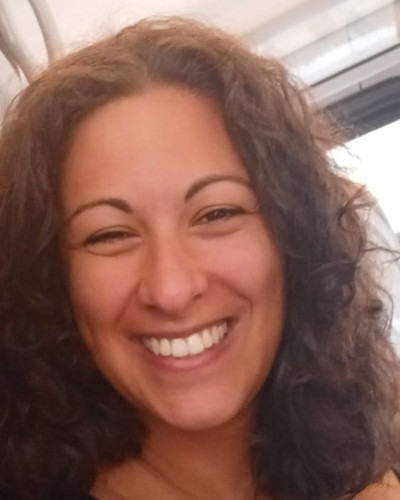 Giulia Cipriano
Giulia Cipriano
Department of Biosciences, Biotechnologies and Environment of the University of Bari, Italy
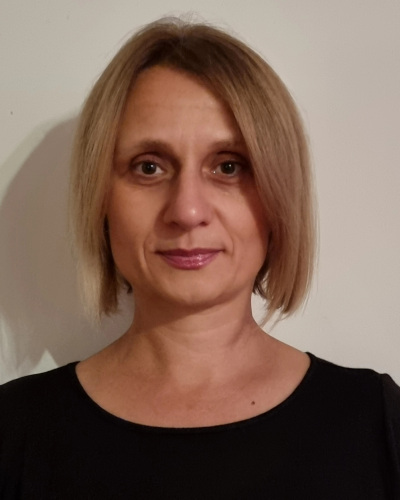 Martina Đuras
Martina Đuras
Faculty of Veterinary Medicine, University of Zagreb, Croatia
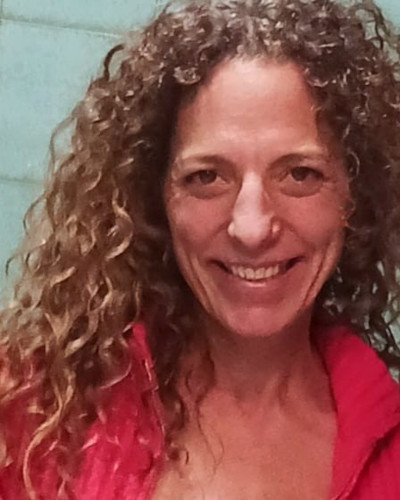 Marta Anna Azzolin
Marta Anna Azzolin
Department of Life Sciences and Systems Biology of the University of Turin, Italy; Gaia Research Institute APS, Italy
SPECIAL SESSION DESCRIPTION
Sentinel species of megafauna, such as marine mammals, sea turtles, and elasmobranchs, are subject to increasingly intense anthropogenic pressures, exacerbated by the effects of climate change. To assess their health condition and better understand their interaction with human activities, an integrated monitoring approach is necessary.
This session aims to explore integrated monitoring approaches and promote good practices for the sustainable coexistence of human activities and marine sentinel species, leveraging extensive biological and ecological information to improve management and conservation frameworks.
Therefore, studies on the effects of human activities on the distribution, abundance, and behavioural and acoustic patterns of these species, as well as those emerging from the analysis of stranding data, are essential for understanding potential conservation strategies at different spatial scales.
TOPICS
This special session aims to gather contributions from the scientific community as well as citizen science initiatives that contribute to understanding the following topics:
- approaches for monitoring interactions between marine megafauna sentinel species and human activities;
- innovative techniques and methodologies for monitoring the health of sentinel species;
- evidence of anthropogenic impacts on the biological and ecological characteristics of sentinel species;
- evidence of biological adaptation to climate change by sentinel species;
- development of information tools to support the management of pressures arising from the interaction between anthropogenic activities and sentinel species;
- development of co-production frameworks useful for managing interactions and species conservation.
ABOUT THE ORGANIZERS
Giulia Cipriano holds a PhD in Environmental Science, and she is a research fellow in Ecology at the Department of Biosciences, Biotechnologies and Environment of the University of Bari. Her main scientific research interest is the application of biological, mathematical models to population dynamics focused on marine species especially cetaceans. She performs her scientific activity also in the field of fishery stock assessment and environmental remediation aimed to implement management measure of anthropogenic pressures which insist in Taranto seas and protection actions of species of conservation interest. She shows expertise in the implementation and analysis of biological and environmental data in GIS environment. She has (co)-authored more than 60 scientific publications in congress proceedings, national and international ISI journals and she is a reviewer for international ISI journals.
Martina Đuras is a full professor of veterinary anatomy at the Faculty of Veterinary Medicine, University of Zagreb, Croatia. Since 1998, she has been a member of a multidisciplinary team studying marine mammals in the Croatian part of the Adriatic Sea. Within the team, she manages the archive, photo documentation, tissue and parasite bank, and skeleton collection. Her research focuses on cetacean morphology and dolphin–human interactions. She is a member of the Croatian national Protocol for notification and action in cases involving dead, sick, or injured strictly protected marine animals, as well as a member of the ACCOBAMS Scientific Committee. She also contributes to university teaching and public education on marine mammal biology and conservation.
Marta Anna Azzolin, PhD, is a marine ecologist and scientific consultant with over twenty years of experience in marine biodiversity monitoring and the assessment of anthropogenic pressures on marine ecosystems. Her research focuses on integrated monitoring approaches combining visual surveys, Passive Acoustic Monitoring (PAM), bioacoustics, population analysis and spatial modelling to investigate marine megafauna sentinel species and their interactions with human activities.
She collaborates with universities, international organisations and environmental consultancies across the Mediterranean and is author or co-author of more than 80 peer-reviewed scientific publications. Her work contributes to environmental impact assessments, Marine Strategy Framework Directive (MSFD) monitoring, Maritime Spatial Planning (MSP) and the development of integrated tools supporting marine conservation and sustainable ocean management.