SPECIAL SESSION #10
New Frontiers in Satellite-Derived Shoreline Techniques
ORGANIZED BY
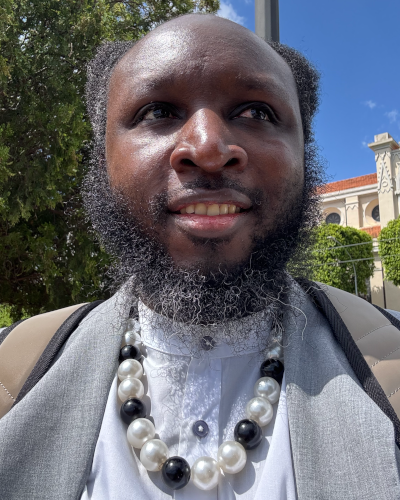 Anselme Muzirafuti
Anselme Muzirafuti
University of Messina, Italy
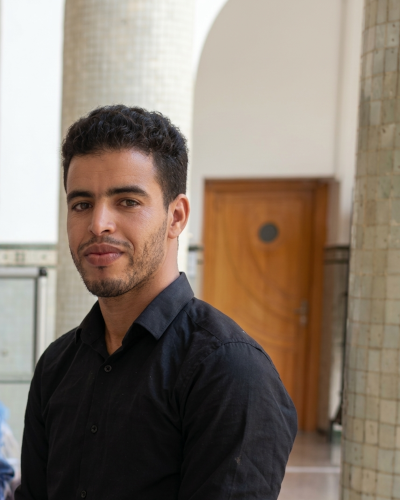 Smail Souiri
Smail Souiri
Laboratory of Geophysics and Natural Hazards, Scientific Institute, Mohammed V University of Rabat, Morocco
SPECIAL SESSION DESCRIPTION
Coastal regions are vital to global economic growth, housing a significant portion of the world's population, and serving as key centers for economic and infrastructural developments. Approximately 10% of the world's population lives within 5 km of the coast, while 5% reside between 5 and 10 km. This proximity increases their vulnerability to risks such as high-tide flooding, storm surges, and coastal erosion, especially as these threats intensify with climate change. The cost of inaction is very high. Recently, the European Commission noted that without urgent action, economic losses from coastal floods alone could exceed €1 trillion per year by the end of the century.
Satellite-derived shoreline (SDS) methods have emerged as a leading solution, leveraging vast Earth Observation data and advancements in image analysis technologies. Although SDS provides critical insights into long- and short-term coastal changes. However, there remains a need for further research into innovative frameworks to fully realize its potential.
Different systems and toolkits have been designed for shoreline extraction, mapping and modeling from satellite images. These include CoastSat: a google Earth engine enabled python toolkit to extract shorelines from publicly available satellite imagery; Shorex, (shoreline extraction): a separated tool integrated within a single python framework; Cassie, (coastal analyst system from space imagery): an engine open-source web tool for automatic shoreline mapping and analysis; SAET, (shoreline analysis and extraction tool software): an open-source tool for shoreline extraction; DSAS, (digital shoreline analysis system): a software tool extension in ArcGIS software; CASPRS: a computer-aided shoreline position recognition software employed for subpixel recognition technology, It is a combination of automatic and interactive methods to directly identify the shoreline positions on the transects; QSCAT, (QGIS shoreline change analysis tool): a fast, open-source shoreline change analysis plugin for QGIS; CoastSeg: an innovative, interactive browser-based program that aims to promote and democratize the adoption of SDS detection workflows; ODSAS: open-source digital shoreline analysis system; EPR4Q, (end point rate tool for QGIS); CoSMoS-COAST (coastal one-line assimilated simulation tool of the coastal storm modeling system): a transect-based one-line model that predicts short-term and long-term shoreline response to climate change, and VedgeSat: An automated, open-source toolkit for coastal change monitoring using satellite-derived vegetation edges.
Despite significant efforts to assess and monitor anthropogenic and natural phenomena in coastal areas, many regions remain understudied, facing unprecedented challenges that demand advanced investigative approaches. Approaches which can automate shoreline detection and extraction for the modeling of coastal erosion, shoreline dynamics, and sediment transport which are essential for coastal risk assessment and the design of effective adaptation measures. With an integration of AI, such innovative approaches are much more cost effective and time efficient.
This Special Session aims to explore and enhance the methodologies associated with mapping and understanding shoreline changes using satellite images and other remote sensing data. The focus is to present diverse algorithms and systems that offer novel approaches for shoreline extraction and modeling. In this Special Session, we seeks to integrate the latest advancements in artificial intelligence and machine learning to develop and refine SDS algorithms, ensuring they are both effective and adaptable to different coastal contexts. By doing so, this Special Session aims to test new algorithms and improve existing ones to address the dynamic challenges of coastal monitoring.
TOPICS
To gather further insights into innovative satellite-derived shoreline detection techniques, we welcome manuscripts addressing, but not limited to, the following themes:
- Development and application of new image pre-processing techniques;
- Exploration of spectral indices for water edge detection;
- Integration of AI and machine learning in shoreline extraction;
- Methodological innovations in combining SDS with other remote sensing data;
- Creation and evaluation of comprehensive systems and toolkits for shoreline analysis;
- Methodological innovations in combining SDS with other remote sensing data for the Digital Twin of the Shoreline.
ABOUT THE ORGANIZERS
Anselme Muzirafuti is a Researcher at University of Messina, Italy. He has a Degree in Applied Geophysics and Geology Engineering. He has PhD in Hydrogeophysics with a Thesis on Hydrogeophysical Characterization of Karstic Cavities of the Causse d'El Hajeb-Ifrane (Morocco) and Impact on the Vulnerability of Water Resources: Contribution of Structural Geology, Geomatics and Geophysics. He worked on different projects related to geomorphological mapping and surveys using images acquired by satellites and drones. He worked as analyst of satellite images for the Pocket Beaches management and Remote Monitoring Systems project. He is a scientific reviewer and an academic Editor with his topics been selected as Hot Featured Editions by the Editorial Office of Applied Sciences Journal published by MDPI. The results of his works have been presented in international conferences and published in international journals.
Smail Souiri is a PhD candidate in Oceanography and Coastal Sciences at the Scientific Institute of Rabat, Mohammed V University, Morocco. His research focuses on the evolution of coastal morphology and the assessment of coastal vulnerability along the Moroccan Mediterranean coast using GIS, remote sensing, and artificial intelligence techniques. His work integrates satellite data analysis and geospatial modeling to support coastal risk assessment and sustainable coastal management.